Business Name: Beehive Homes of Sandy
Address: 9532 S 700 E, Sandy, UT 84070
Phone: (801) 975-5244
Beehive Homes of Sandy
BeeHive Homes of Sandy provides personalized assisted living and memory care in a comfortable residential setting. Our compassionate caregivers deliver attentive daily support focused on dignity, independence, comfort, and quality of life.
9532 S 700 E, Sandy, UT 84070
Business Hours
Monday thru Sunday: Open 24 hours
Families typically come to the crossroad between assisted living and memory care after a couple of demanding months. A parent who when managed with cueing and light help now roams at night, declines a shower, or errors the back entrance for the restroom. The line in between forgetfulness and unsafe confusion is not a straight one. It normally reveals itself in small, repeated patterns that add up to real risk.
I have actually visited hundreds of neighborhoods with families and helped more than a thousand older adults transition throughout levels of care. What follows blends those lived patterns with useful information. If you recognize numerous of these signs, it might be time to evaluate a dedicated memory care home instead of pressing on in assisted living.
First, a fast frame: what memory care adds that assisted living cannot
Assisted living is constructed for citizens who need help with day-to-day jobs like dressing, bathing, and medications, but who stay normally oriented, stable, and safe when prompted. Staff check in on a schedule, activities are optional, and doors are not secured.
A memory care home is developed for brain modification. The environment is smaller and more controlled, staff are trained in dementia care strategies, everyday structure is tighter, and exits are secured to prevent hazardous roaming. The objective is not to limit, it is to lower anxiety by simplifying choices, eliminating dangers, and reacting to behavior as a type of communication.
I generally tell families to watch for a shift from can do with pointers to can not do even with suggestions. That shift frequently shows up in 10 places.
Sign 1: Risky wandering and exit seeking
Going for a walk after lunch can be healthy. Leaving at 2 a.m., into winter air without a coat, is not. Households often narrate a trial duration in assisted living that ended with a call from the front desk at midnight. Dad had actually left his space 3 times, looking for the automobile he no longer owns. The team tried redirection by using a treat and a seat, however he kept heading to the stairwell.
When a resident constantly attempts doors, speeds hallways to find a childhood home, or loads bags to "go to work," it is not a matter of better tips. The brain is appearing old habits and objectives, and those prompts are powerful. A memory care home utilizes secured borders, postponed egress doors, and activity stations to transport that drive into safe movement. Staff are trained to frame redirection in the individual's story: "Let's get your tools prepared for the early morning, then we can examine the shop." That technique is hard to reproduce in a basic assisted living structure with open access.
Sign 2: Sudden changes in sleep that destabilize the day
Dementia frequently scrambles the internal clock. You may see "sundowning" after 3 p.m. That spirals into nighttime uneasyness. In assisted living, staff follow a round schedule, and night coverage is thinner. If your parent is wide awake, roaming or distressed for hours, cueing is insufficient. Reversed days and nights result in missed out on breakfasts, skipped medications, and falls after lunch.
Dedicated memory care units prepare for this pattern. Quiet, well lit typical locations for gentle movement, warm hand massages, low stimulation music, and trained night staff can shorten episodes and keep other homeowners safe. The difference looks little on paper. In practice, it indicates your mother is not left waiting alone at 4 a.m. With a call pendant she forgets to press.
Sign 3: Escalating resistance to care
Everyone has off days. The issue increases when your parent routinely declines bathing, screams at toothbrushing, or swats at a caretaker's hand. These are not moral failings. They are typically fear or confusion activated by cold water, fast directions, or a stranger in the bathroom.
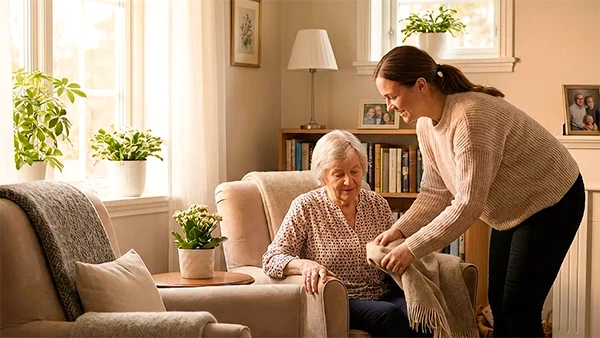

Assisted living assistants are proficient at tasks. Memory care assistants are trained to decrease, offer options framed as preferences, utilize hand under hand strategy, and synchronize movements. Rather of "It's bath time," they might state "Let's warm up these towels together," and start by washing hands and face before presenting a complete shower. If daily care takes two individuals and still ends in dispute, your parent is likely beyond the assistance model of assisted living.
Sign 4: Medication misadventures in spite of oversight
Most assisted living communities use medication management. Staff bring tablets in identified cups at scheduled times. This works when a resident recognizes the medication cart and cooperates. It breaks down with dementia when a parent stockpiles tablets, spits them out, or becomes suspicious of "poison."
In memory care, nurses and med techs are prepared for camouflage foods, liquid formulations, and time windows that match a resident's finest mood. They are patient with reattempts and understand how to team up with physicians on behavioral symptoms. If your parent has already had an ER visit due to missed out on or duplicated dosages while in assisted living, move the discussion towards memory care. It is much safer for everyone.
Sign 5: Repeated falls connected to confusion, not simply weakness
One fall can be bad luck. Repetitive falls with odd circumstances normally indicate judgment concerns. I have seen locals fall while trying to rest on an invisible chair, step off a shadow thinking it is a curb, or lean forward to "catch the bus." Assisted living teams include grab bars and walkers. Those aid if the driver is leg weak point. They do not fix visual spatial modifications or misinterpretations of the environment that come with dementia.
Memory care environments streamline flooring contrasts, lower glare, Beehive Homes of Sandy senior care and utilize constant lighting. Personnel watch for patterns and shadow homeowners throughout times of risk. The difference is not more devices, it is more eyes and specialized training targeted at how a brain with dementia perceives the room.
Sign 6: Food becoming a threat, not just a challenge
Weight loss happens for many reasons. Dementia includes specific dangers. Your parent might forget to chew, overstuff the mouth, roam during meals, or insist the food is risky. I have sat with a gentleman who buttered his napkin and attempted to consume it as toast. The assisted living dining room, with its menus and social chatter, overwhelmed him.
Memory care dining pares things down. Smaller sized spaces, less noise, adaptive utensils, and finger foods increase calories without a fight. Personnel cue bite by bite, sit to consume alongside locals, and look for signs of dysphagia. If your parent coughs during most meals, pockets food, or loses more than 5 to 10 percent of body weight over a few months in spite of assistance, consider the upgrade.
Sign 7: Social friction and fear in group settings
Assisted living presumes a level of self-reliance and social reciprocity. Cards on Tuesday, rosé on Friday, a craft table that expects fine motor control. Residents with mid phase dementia can feel exposed in these spaces. Teasing, even kindly meant, stings. Failing at a puzzle in public is humiliating. That pity frequently turns to withdrawal or anger.
Memory care changes optional, complex activities with easier, success oriented engagement. Sorting bolts, folding towels, strolling clubs, music circles with familiar tunes. The goal is not to infantilize, it is to offer purpose without pressure. If your parent is separating in their space or lashing out after group events, it is a signal that the environment is no longer a fit.
Sign 8: Elopement threat tied to misconceptions or misidentification
Not all roaming is the exact same. Some residents leave to discover something from the past. Others are driven by repaired delusions. A female persuaded strangers are residing in her closet will do anything to get away. A guy who no longer acknowledges his house may barricade the door or try the window. Assisted living teams can not securely restrain or lock. That is both a rights concern and a regulatory boundary.
A memory care home addresses the belief, not the fight. Personnel will verify the fear, examine the closet together, and then use a soothing ritual. Rooms can be earned less mirror heavy to lower misidentification, and visual cues can make it much easier to find the bathroom or bed. Safe exits include the safeguard if worry still spikes. When a repaired false belief drives unsafe behavior, the care level must change.
Sign 9: Increasing incontinence with bad awareness
Incontinence alone does not set off a move. Numerous assisted living homeowners use pads or scheduled bathroom visits. The issue is awareness. If your parent conceals soiled clothing, smears stool, or withstands toileting since they do not acknowledge the desire, the work and infection threat increase quickly. That is not a criticism. It is the reality of a brain misplacing body signals.
Memory care schedules toileting proactively, every 2 to 3 hours, and utilizes visual cues and clothing that streamlines dressing. Personnel know to offer privacy while still directing the series: pants down, sit, wipe, pull up, clean hands. They also handle skin integrity with barrier creams and watch for urinary signs that can get worse confusion. If these routines are needed daily and often in the evening, assisted living is going to strain.
Sign 10: Caregiver burnout and unsafe improvising
Sometimes the defining sign is not a particular symptom. It is the method household or personal caregivers are compensating. Search for surprise alarms on doors, furnishings pressed against exits, double locked cabinets, or a daughter sleeping in a chair outside the bedroom. I have actually satisfied children who timed showers to football commercials because Dad would just shower throughout halftime. Creative services work, till they do not. Burnout invites faster ways, and faster ways invite harm.
A memory care home returns the margin. There are more staff on the floor, the space is set up for pacing, the regimens are trustworthy, and the action to habits corresponds. That consistency is not a high-end. It avoids crises.
How many indications are enough to move?
There is no magic number. One or two small issues might be workable with included assistants or environmental tweaks in assisted living. The pattern that frets me combines danger and frequency. For instance, weekly exit looking for, daily rejection of medications, and 2 falls in a month. Or consistent nighttime wakefulness coupled with deceptions about intruders. These clusters forecast emergency room visits, not just hard days.
If you see 3 or more of the indications above in routine rotation, begin visiting memory care neighborhoods. Waiting for a crisis diminishes your choices. A scheduled shift protects dignity.
What a good memory care home looks and feels like
The best memory care homes share a couple of characteristics you can notice during a visit. Follow your eyes and your gut.
- Staff engagement that looks individual, not scripted. Look for a caregiver who kneels to a resident's eye level and utilizes the individual's name in conversation. Clean, resided in spaces rather than hotel shine. A neat basket of laundry to fold can be a healing activity. Predictable rhythms. Meals at constant times, activity posted and actually taking place, night lights that stay on. Safety built in but not overbearing. Secured exits, yes. Also interior strolling loops, yards with fencing that seems like a garden, not a cage. Qualified management. Ask how many years the director and nurse have actually been in memory care, not simply in senior living overall.
Practical edge cases to weigh
Two circumstances show up typically, and they evaluate judgment.
First, the parent with mild memory loss and complicated medical requirements. They need insulin management, injury care, and physical treatment, but they are still socially savvy. In this case, a higher skill assisted living or a small board and care with nursing support may serve better than memory care. Dementia care shines when behavior and perception drive risk.
Second, the parent with significant dementia but a calm, easygoing character. No wandering, no agitation, delighted to sit with a cat and listen to music. If assisted living is steady, you can sit tight longer. Keep a close expect subtle shifts fresh fear or weight loss. Have a backup memory care home identified so you are not starting from no if the photo changes.
Cost, staffing, and what you can relatively expect
Memory care expenses more than assisted living in the majority of markets, commonly by 10 to 30 percent. Reasons include greater staffing ratios, specialized training, and ecological safeguards. Do not focus on a single staff to resident ratio. Ask how many employee are on the floor, on each shift, and whether the nurse is present day-to-day or on call just. Clarify who provides care at 2 a.m.
Medicare does not pay space and board for long term stays. It can cover particular therapies and brief proficient nursing after hospitalizations. Long term care insurance, if your parent has it, typically consists of a specific memory care benefit. Medicaid protection differs by state and may restrict which memory care homes you can select. Ask early, because private pay periods before Medicaid acceptance are common.
Questions that separate marketing from lived care
Use these in your trips or calls. You want concrete responses, not slogans.
- Describe a recent behavioral challenge and how your group managed it from start to finish. How do you individualize activities for locals who reject groups? What is your plan when a resident refuses medications three times in a row? How do you support households throughout the first month after relocation in? What modifications in condition generally trigger a transfer out of your memory care unit?
Preparing your parent and yourself for the transition
Most moves go better when the story matches your parent's worldview. Arguing the medical diagnosis rarely helps. If Dad thinks he still operates at the plant, frame the move as short-lived real estate closer to the job. If Mom worries about security, frame it as a community with staff on website so she is not alone at night.
Bring familiar anchors. A preferred recliner chair, the same quilt, daytime clothes your parent already uses, shoes that fit, framed household photos identified with names. Withstand the urge to stage the room like a publication. A lot of choices can increase anxiety. Start with a few recognized items and include throughout weeks.
The first 2 weeks are a wobble duration. Sleep may be off, hunger can dip, and household frequently second guesses the option. This is where consistent routines and close interaction with staff matter. Ask for daily updates at a set time. Share what usually soothes your parent. Trust the procedure while also advocating when something feels off.
A compact move in checklist
Keep this brief and workable. You can refine when settled.
- Legal and medical files, consisting of power of lawyer and medication list upgraded within the last week. Clothing identified plainly, comfortable, and simple to handle for toileting. Simple decoration that signals home, not mess, such as a favorite light and one image collage. Mobility and sensory aids examined and charged, like hearing aids, glasses, and walker tips. A quick life story sheet for staff, with favored name, regimens, hobbies, and known triggers.
The psychological side households rarely talk about
Guilt, grief, and relief tend to show up together. Guilt questions whether you gave up prematurely. Grief faces another layer of loss. Relief appears when you sleep through the night for the very first time in months. None of these feelings disqualifies your love. They usually indicate you set limits that keep everybody safer.
Stay present in a way that works with the brand-new group. Short, routine visits beat marathon days. Sign up with for an activity your parent delights in instead of only for tasks. If a visit ramps up agitation, try a window of the day when your parent is typically calm. Many people with dementia have a finest time in between late morning and early afternoon.
Why acting previously typically causes better outcomes
A relocation made while your parent still has some flexibility enables the memory care group to learn their patterns and construct trust. Waiting up until a health center discharge compresses choices and adds delirium on top of dementia. In my experience, locals who transition before the fifth or 6th significant crisis settle faster, eat much better within a week, and have fewer medication changes.
This is not about quiting. It has to do with matching environment to need. When that match is right, you see little however significant wins. Less 911 calls. Softer evenings. A laugh during music hour. A partner who sleeps in the house without setting an alarm for corridor checks.
Bringing everything together
Assisted living is a great alternative when a parent needs cueing, steady suggestions, and assistance with the mechanics of every day life. A memory care home ends up being the right choice when the brain's modifications develop threats that pointers can not fix. The ten signs above point to that shift. If 3 or more are routine visitors in your week, begin preparing the relocation while you have choices.
Tour with your senses on, ask frank questions, and write down answers. Include your parent to the degree their convenience permits. And provide yourself the exact same steadiness you wish to discover for them. Great dementia care is not about excellence. It has to do with pattern, security, and minutes of connection made possible by the right setting.
Beehive Homes of Sandy provides assisted living care
Beehive Homes of Sandy provides memory care services
Beehive Homes of Sandy provides respite care services
Beehive Homes of Sandy supports assistance with bathing and grooming
Beehive Homes of Sandy offers private bedrooms with private bathrooms
Beehive Homes of Sandy provides medication monitoring and documentation
Beehive Homes of Sandy serves dietitian-approved meals
Beehive Homes of Sandy provides housekeeping services
Beehive Homes of Sandy provides laundry services
Beehive Homes of Sandy offers community dining and social engagement activities
Beehive Homes of Sandy features life enrichment activities
Beehive Homes of Sandy supports personal care assistance during meals and daily routines
Beehive Homes of Sandy promotes frequent physical and mental exercise opportunities
Beehive Homes of Sandy provides a home-like residential environment
Beehive Homes of Sandy creates customized care plans as residents’ needs change
Beehive Homes of Sandy assesses individual resident care needs
Beehive Homes of Sandy accepts private pay and long-term care insurance
Beehive Homes of Sandy assists qualified veterans with Aid and Attendance benefits
Beehive Homes of Sandy encourages meaningful resident-to-staff relationships
Beehive Homes of Sandy delivers compassionate, attentive senior care focused on dignity and comfort
Beehive Homes of Sandy has a phone number of (801) 975-5244
Beehive Homes of Sandy has an address of 9532 S 700 E, Sandy, UT 84070
Beehive Homes of Sandy has a website https://beehivehomes.com/locations/sandy/
Beehive Homes of Sandy has Google Maps listing https://maps.app.goo.gl/gxoX9vT5PFH9mJTP9
Beehive Homes of Sandy won Top Assisted Living Homes 2025
Beehive Homes of Sandy earned Best Customer Service Award 2024
People Also Ask about Beehive Homes of Sandy
What does assisted living cost at BeeHive Homes of Sandy?
BeeHive Homes of Sandy offers all-inclusive assisted living pricing. That means one straightforward monthly rate covering personal care, home-cooked meals, housekeeping, laundry, and daily support, with no hidden costs or surprise fees. Because we offer seasonal pricing and current availability can change, we invite families to call for up-to-date rates and any current offers. Before move-in, our team completes a personalized assessment of health, mobility, medication, and activities-of-daily-living needs, so we can confirm the right care plan and share clear pricing for your family.
Can residents remain at BeeHive Homes as their care needs change?
Yes. In almost all cases, residents can remain at BeeHive Homes of Sandy as their care needs change, aging in place in a familiar, homelike environment. Because we coordinate with third-party home health and hospice providers, residents can receive added care right in the home rather than relocating. It is very rare for a resident to need to move, and that typically happens only when someone requires continuous skilled nursing or hospital-level care beyond what an assisted living or memory care home can safely provide.
Is a nurse available at BeeHive Homes of Sandy?
Yes. BeeHive Homes of Sandy has a nurse who provides day-to-day oversight of residents and works directly with each resident's own physicians and healthcare providers to continue the best possible care. Residents may keep seeing their preferred doctors, and when ordered by a medical provider, home health, therapy, or hospice services can often be delivered directly in the home. Caregiver support is available 24 hours a day.
What are the visiting hours at BeeHive Homes of Sandy?
Visit anytime. At BeeHive Homes of Sandy, we would rather family come too often than not often enough, because strong family relationships are an important part of every resident's well-being. We simply ask that visits be respectful of the other residents who live here, along with each resident's meals, rest, and care schedule. If you would like to come very early or very late, just let us know in advance and we will make it work.
Are rooms available for couples at BeeHive Homes of Sandy?
BeeHive Homes of Sandy may have room options for couples who wish to remain together while receiving senior care. Availability depends on current openings, room size, and the care needs of both individuals. Please contact our team to discuss available accommodations and find the best fit for your family.
What services are provided at BeeHive Homes of Sandy?
BeeHive Homes of Sandy provides personalized assistance with bathing, dressing, grooming, mobility, medication management, meals, housekeeping, laundry, and other activities of daily living. Residents also enjoy private rooms, home-cooked meals, engaging senior activities, and caregiver support available 24 hours a day, all in a smaller, residential-style setting that feels like home.
Does BeeHive Homes of Sandy offer memory care and respite care?
Yes. BeeHive Homes of Sandy offers both memory care and assisted living. Our memory care supports residents living with Alzheimer's disease, dementia, or other cognitive changes. Short-term respite care is also available for recovery periods, caregiver relief, or families who want to experience BeeHive Homes before considering a long-term move. Availability and suitability are determined through an individual assessment.
How can I schedule a tour of BeeHive Homes of Sandy?
Call (801) 975-5244 to schedule a tour of BeeHive Homes of Sandy anytime. A personal visit is often the best way to experience our calm, homelike atmosphere, meet our caregivers, see the private rooms and shared spaces, and ask questions about assisted living, memory care, or respite care in Sandy, Utah. We would love to help you decide whether BeeHive Homes is the right next step for someone you love.
Where is Beehive Homes of Sandy located?
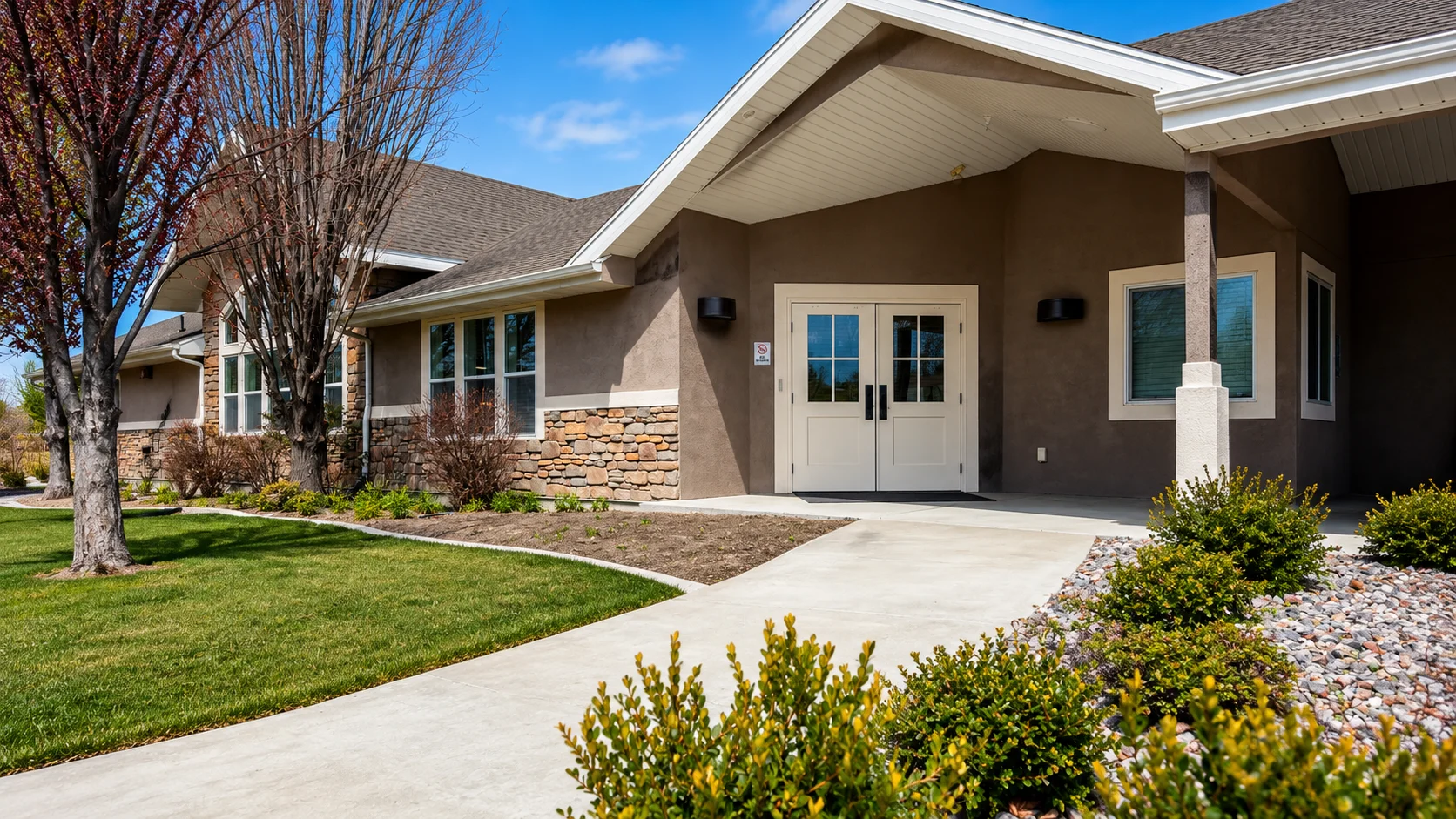
Beehive Homes of Sandy is conveniently located at 9532 S 700 E, Sandy, UT 84070. You can easily find directions on Google Maps or call at (801) 975-5244 Monday through Sunday Open 24 hours
How can I contact Beehive Homes of Sandy?
You can contact Beehive Homes of Sandy by phone at: (801) 975-5244, visit their website at https://beehivehomes.com/locations/sandy/
The Sandy Museum offers an enjoyable local history experience for families supporting loved ones through Assisted living, memory care, senior care, elderly care, and respite care..